Treat missing history as missing history
A clean hearth, decorative screen or seller's recollection does not establish the condition of the appliance and vent. Collect available inspection reports, service invoices and the appliance manual. Mark unknown dates and modifications as unknown.
For a property purchase, explain the transaction to the inspector and ask which inspection scope is appropriate. A general home inspection and a specialist chimney inspection can have different purposes and access.
Identify the actual system
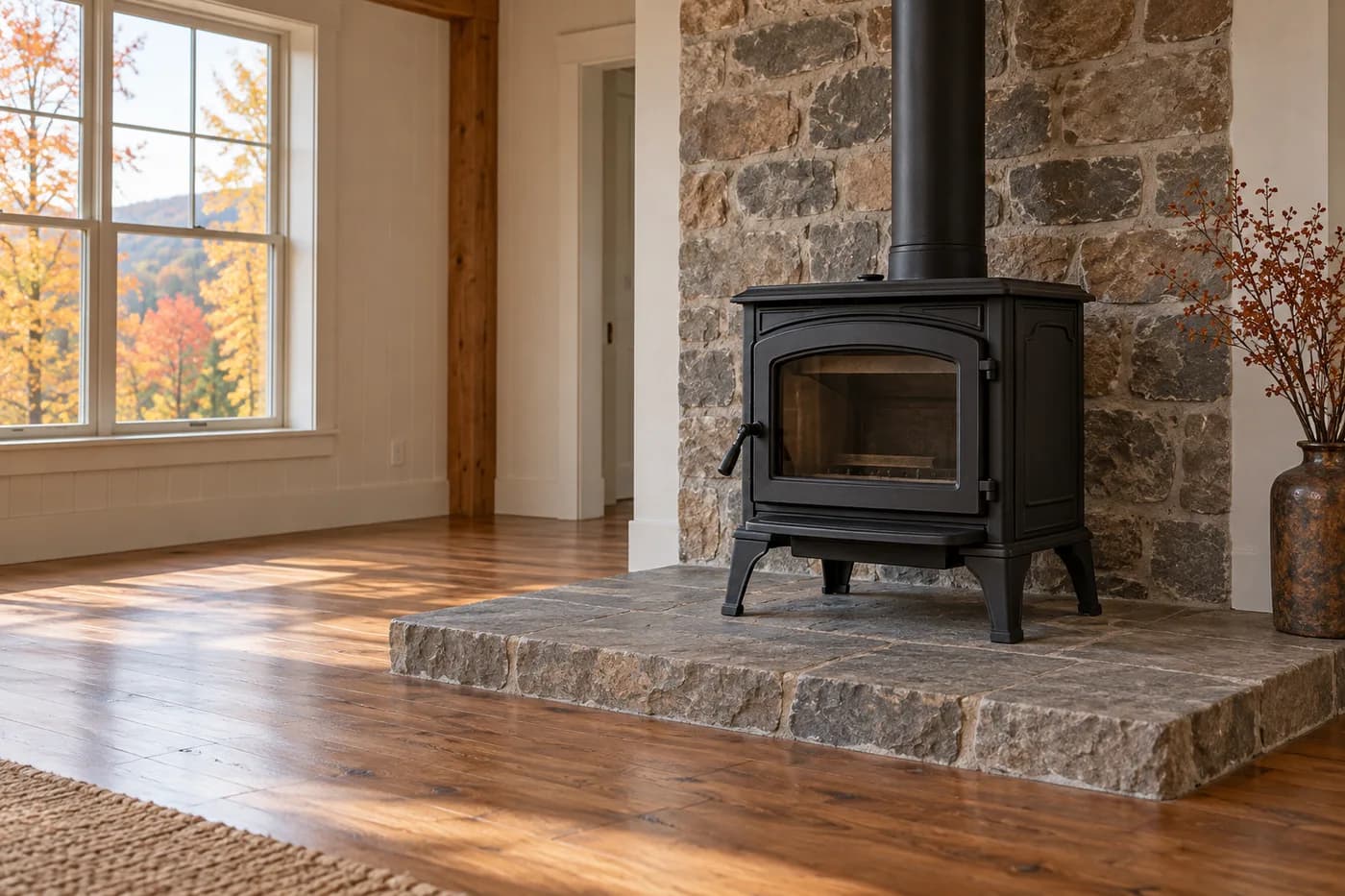
A fireplace opening may contain an insert; a stove may connect to a separate flue; a gas appliance may use a different vent arrangement. Give the provider model information and photographs taken from accessible areas instead of assuming all systems receive the same sweep.
Ask whether every appliance and flue is included in the proposal. Where alterations are suspected, request an explanation of compatibility and any additional evaluation needed.
Do not test an unfamiliar appliance with a fire
Arrange professional assessment before returning a long-idle system to use. Time without operation does not exclude obstruction, weather damage or changes by a previous owner. Do not remove suspected nesting material or dismantle components yourself.
Locate the manufacturer instructions and ask the professional to explain any use restrictions and outstanding work. An inspection report is not interchangeable with operating instructions.
Create the first complete record
Keep the baseline report, labeled photos, model details and recommended follow-up together. If repair is needed, preserve the original findings alongside the completed work documentation so future companies can see what changed.
Ask the provider which parts of the system remain unexamined and what to do next. The goal is an understandable starting point, not a folder of unexplained images or an assurance unsupported by a defined scope.
Create a fireplace acquisition file
Collect the seller’s documents, home inspection, specialist report, appliance manual, permits where available, prior invoices and photographs. Mark each item as property-specific, appliance-specific or general guidance. A brochure for the model does not describe the installed condition, and a home inspection may have a different purpose from a chimney inspection.
List every apparent appliance and termination before booking. Ask the professional to reconcile the list with the actual venting arrangement. In multi-flue chimneys, record which appliance connects to which flue and which systems were excluded from the appointment.
Use a first-use decision gate
The gate has four questions: Is the actual system identified? Is the inspection scope appropriate to the unknown history or transaction? Are restrictions and unresolved areas documented? Have required repairs or further evaluations been completed and recorded? A decorative renovation or clean firebox answers none of them.
Store the professional’s written conclusion and any applicable operating instructions. The Passport itself does not open the gate; it records the evidence and responsible professional decisions. If a concern remains, do not convert silence in a report into permission to use the appliance.
Sources, authorship and context
Published 2026-09-24 by Chimney Sweep Ratings editorial. Service images are AI-generated illustrations.
Technical background: CSIA homeowner resources. Our comparison questions and worksheets are editorial guidance; an on-site professional determines the applicable scope.
About the Editorial Desk · Government and industry safety references · Editorial standards and corrections · Service scope library · Problem library
Decision pathway
Do not stop at this article
Clear answers
Questions homeowners ask
The seller says it was never used. Is that enough?
No. Lack of use does not establish current condition or suitability.
Should every flue be included?
Discuss each appliance and flue with the inspector and make the agreed coverage explicit in the proposal.