Send the company a useful brief
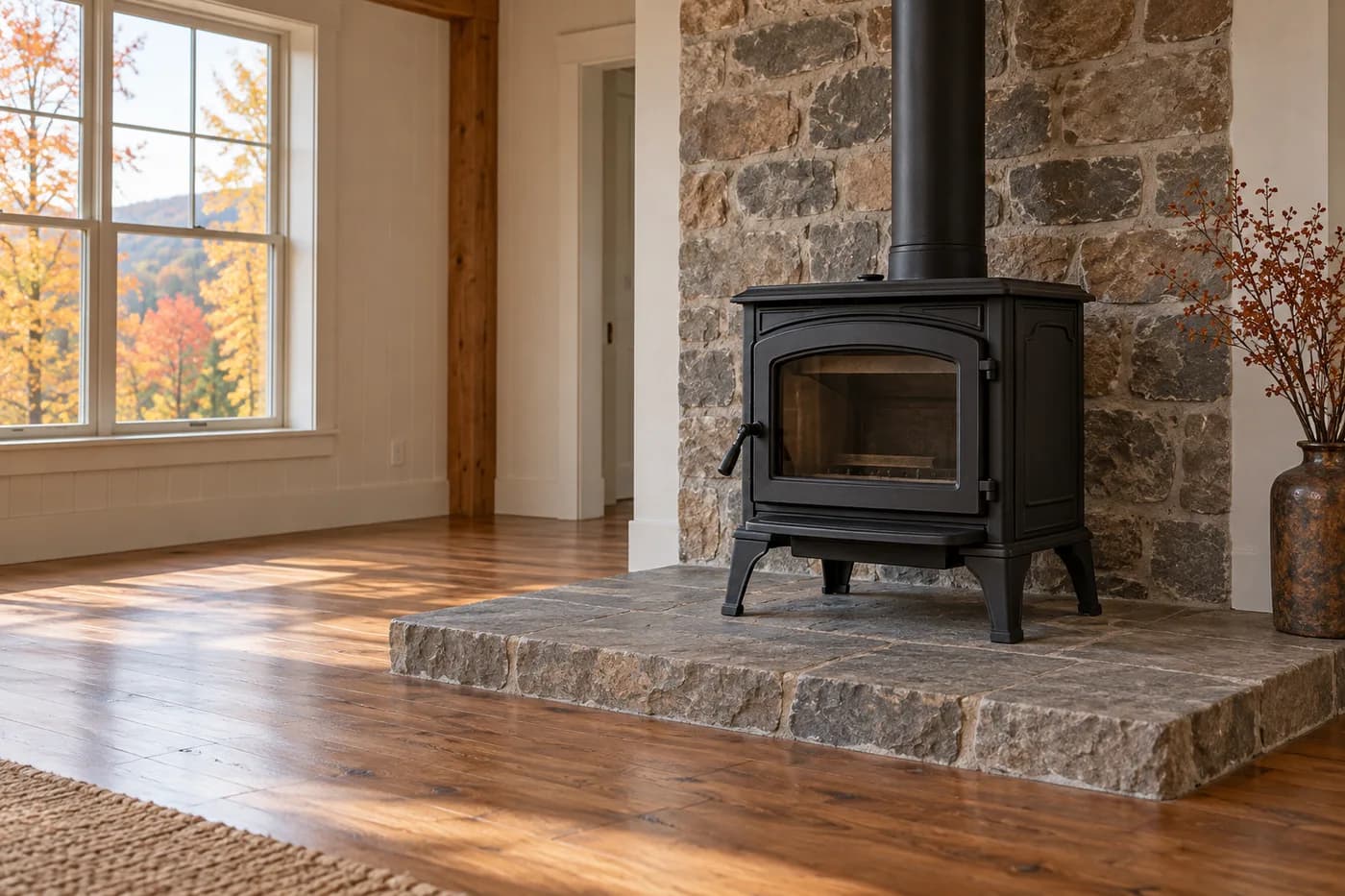
Before scheduling, identify whether you have an open fireplace, insert, wood stove, gas fireplace or pellet appliance. Give the model if known, describe the fuel and say whether there is more than one appliance or flue. A photograph taken from the room can help explain the layout, but it cannot replace an inspection.
Describe the reason for the visit in plain language. A routine sweep, a smoke complaint and a property-purchase inspection are not interchangeable appointments. Include the last known service date and say when that date is unknown rather than guessing.
Ask about cooling, access and protection
Ask the company how long the appliance must remain unused before the visit, following its instructions and the appliance manual. Do not light a fire to demonstrate a symptom. Explain any access constraints, steep roof concerns, parking restrictions or locked areas so the provider can plan without promising access that may prove unsafe.
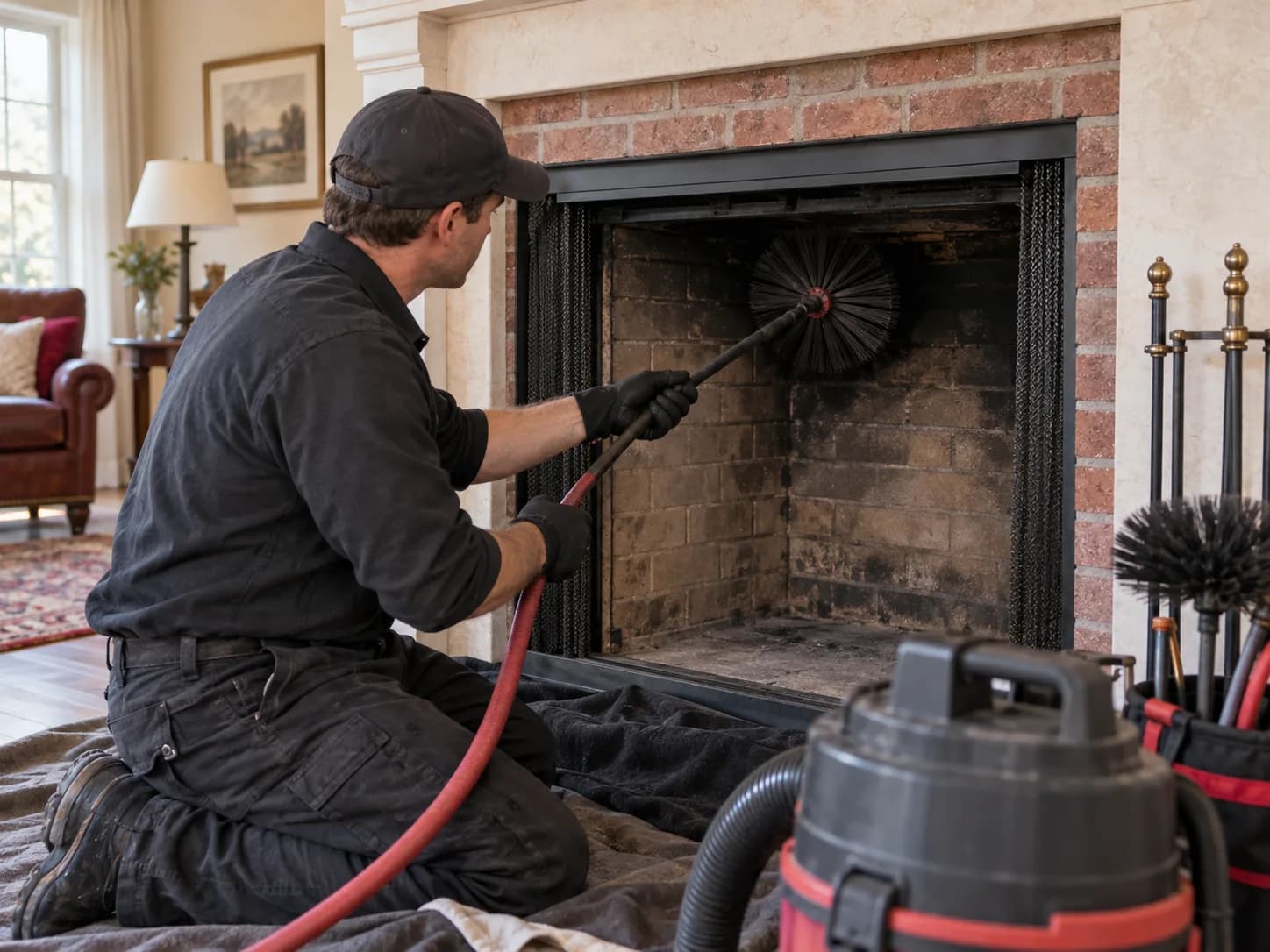
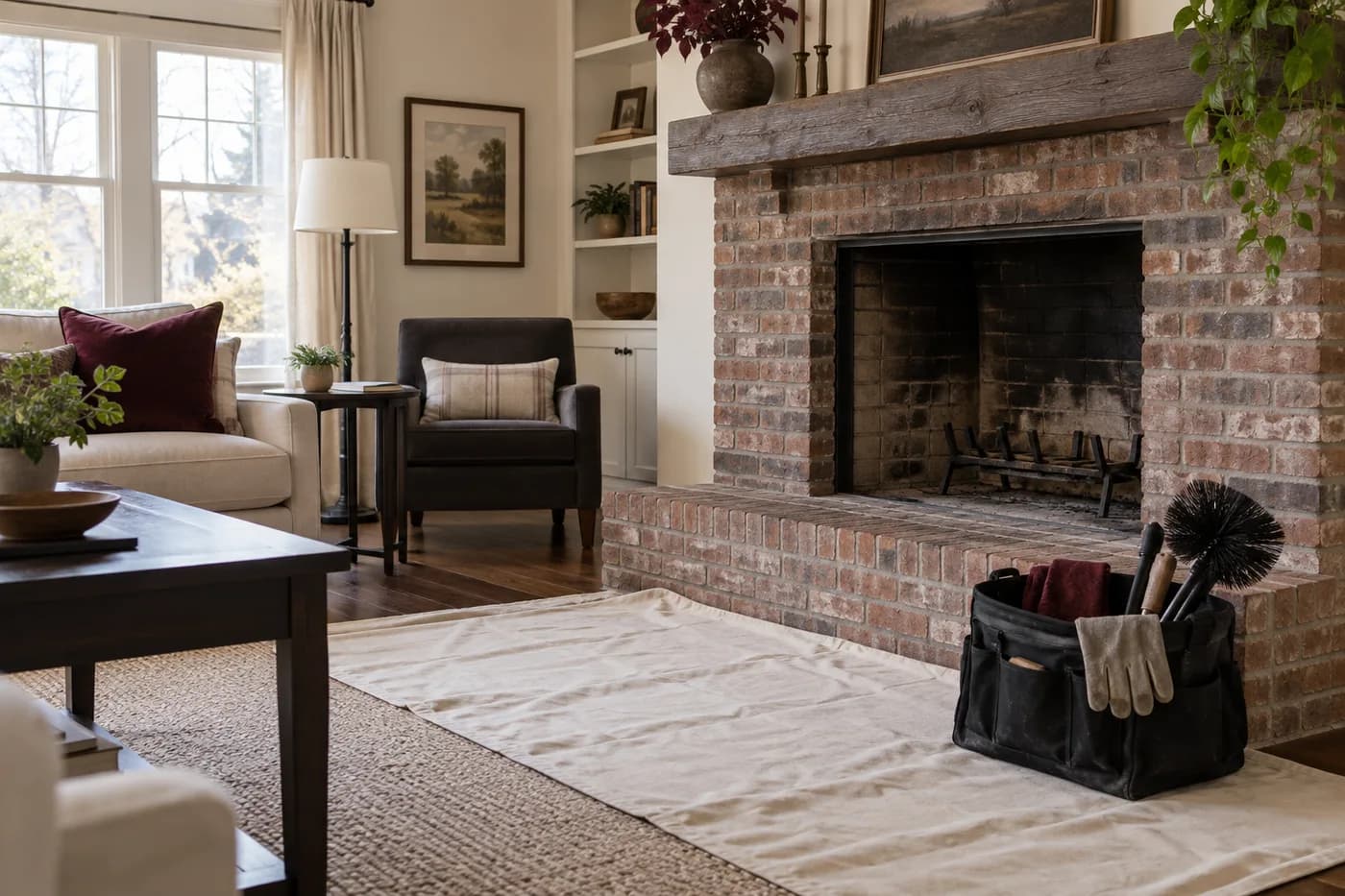
Clear movable belongings from the work route and ask how the company protects flooring and contains dust. Keep children and pets away from the work area. Do not climb onto the roof, dismantle components or move heavy appliances in an attempt to prepare.
Have the evidence ready
Gather previous reports, estimates, appliance instructions and relevant photographs. A short timeline is more helpful than an unsupported diagnosis: when moisture appeared, when smoke entered the room or when a part was replaced. Record uncertainty explicitly.
If a previous company recommended a repair, share the actual report rather than only the price. Ask the new provider to explain whether it agrees with the underlying finding before comparing methods or totals.
Confirm what will be delivered
Before work begins, confirm the cleaning and inspection scope, which flues are included and what written information you will receive. Agree how unexpected conditions will be discussed and authorized. Clarify cancellation or access charges directly with the company.
At handover, ask what was completed, what was inaccessible and what remains unresolved. Keep the invoice and report together. A tidy hearth and a paid invoice are not substitutes for understanding any restriction on appliance use.
Build a one-page appointment brief
A strong brief identifies every appliance and flue, the fuel, the reason for the visit, the last known service and any access issue. Use observations rather than conclusions: write “water appeared at the left firebox wall after rain” instead of “the flashing is broken.” That distinction keeps the contractor free to investigate competing explanations.
Add the questions that must be answered at handover. For routine work, that might be the components cleaned, the inspection scope, inaccessible areas and the next recommended interval. For a symptom visit, ask what was observed, what remains possible and whether any restriction on use applies.
- System nickname and appliance model
- Known service dates and unknown history
- Dated symptom observations
- Reports and photo filenames
- Access constraints and pets
- Questions requiring written answers
Use the five-minute handover
Before the provider leaves, match the invoice to the agreed scope. Ask the technician to identify each appliance or flue referenced in the findings and distinguish completed work from recommended work. If an image matters to a recommendation, record where it was taken and what it is meant to show.
Do not rely on memory for a restriction on use, a warranty condition or an inaccessible area. Ask for the wording in the report and place that document in the Passport record. The objective is not more paperwork; it is a record another qualified professional can understand without reconstructing the visit from fragments.
Sources, authorship and context
Published 2026-09-24 by Chimney Sweep Ratings editorial. Service images are AI-generated illustrations.
Technical background: CSIA homeowner resources. Our comparison questions and worksheets are editorial guidance; an on-site professional determines the applicable scope.
About the Editorial Desk · Government and industry safety references · Editorial standards and corrections · Service scope library · Problem library
Decision pathway
Do not stop at this article
Clear answers
Questions homeowners ask
Should I remove ashes first?
Ask the company and follow the appliance instructions; do not handle material that may still be hot.
Do I need to be home?
Confirm access and handover arrangements with the provider. Someone able to authorize agreed changes and discuss findings is useful.